
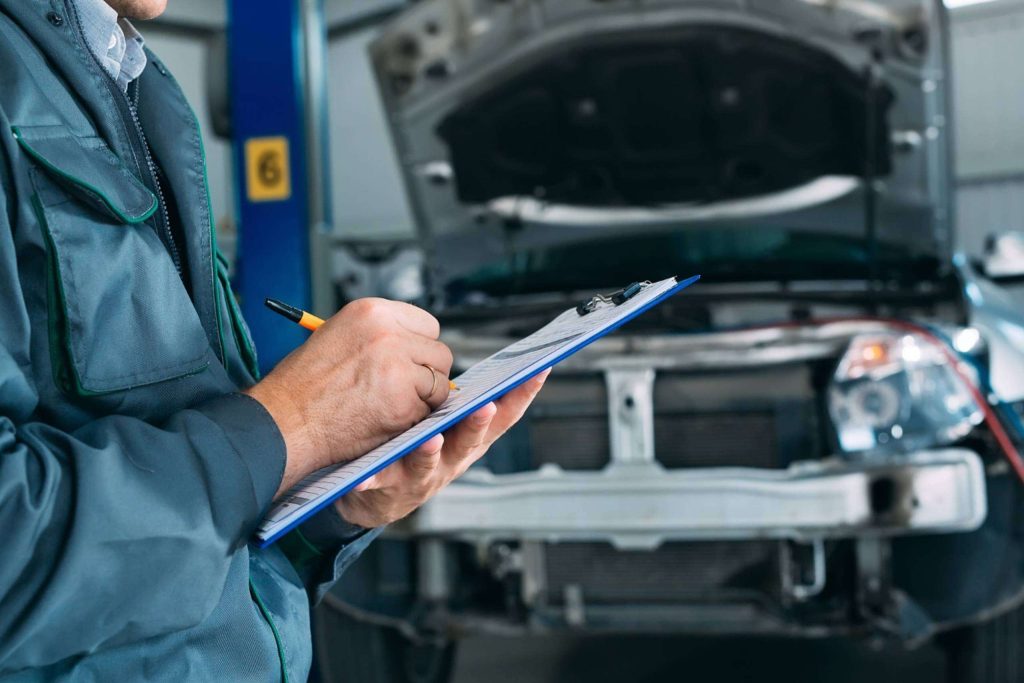
Reliability on the road is not accidental. It is the result of consistent maintenance, early fault detection and a structured approach to vehicle care. A comprehensive vehicle inspection plays a crucial role in identifying hidden issues before they develop into expensive or dangerous problems. While many drivers focus only on visible issues, professional assessments go far deeper, examining the systems that keep your vehicle safe, stable and efficient.
Understanding what mechanics check in a car inspection helps simplify the process. Qualified technicians follow a detailed car safety inspection checklist that covers everything from suspension and brakes to tyres, fluids and electronic diagnostics. This streamlined vehicle inspection process ensures that essential mechanic vehicle inspection points are carefully evaluated, providing a clear picture of your vehicle’s condition and helping you make the right decisions about maintenance and repairs.
What Mechanics Check in a Car Inspection
Understanding this helps demystify the process. A true vehicle inspection focuses on safety systems, performance and regulatory compliance.
Suspension and Steering Components
Vehicle stability depends heavily on the integrity of the suspension and steering.
Inspection points include:
- Tie rod ends
- Power steering fluid condition
- Steering rack and mounts
- Shock absorbers and struts
- Ball joints and control arms
Loose or worn suspension components can cause uneven tyre wear and poor handling. There are important inspection points that directly influence road safety.
Tyres and Wheel Alignment
Tyres are the only parts of your vehicle that stay in contact with the road. A proper checklist always prioritises them.
Mechanics examine:
- Sidewall damage
- Tyre pressure
- Wheel alignment indicators
- Uneven wear patterns
- Tread depth
Incorrect alignment can lead to premature tyre wear and increased fuel consumption. Regular checks improve vehicle handling and reduce running costs.
Braking System Assessment
Brakes are the first and most crucial safety system evaluated.
Mechanics inspect:
- Brake callipers
- Brake fluid level and contamination
- Brake lines and hoses for leaks
- Handbrake performance
- Brake pad thickness
- Brake disc/rotor condition
A worn brake pad may not seem urgent, but left unchecked, it can damage rotors and compromise stopping distance. Early identification prevents costly repairs and reduces accident risk.
Step-by-Step Vehicle Inspection Process
A streamlined inspection process ensures consistency and accountability. While the exact steps may vary slightly between workshops, a professional inspection usually follows this sequence.
- Initial consultation to identify concerns raised by the driver.
- Visual exterior check to spot visible damage, fluid leaks or other defects.
- Under-bonnet inspection to assess engine components and fluid levels.
- Under-vehicle examination to inspect suspension, exhaust and drivetrain.
- Diagnostic scan to detect electronic faults.
- Final road test to evaluate braking, steering and transmission.
- Report & recommendations to provide transparent findings.
Critical Engine Checks
The engine bay contains numerous components that require detailed examination.
Belts and Hoses
Cracked belts or weak hoses can lead to breakdowns. During a thorough evaluation, these components are checked for,
- Cracks
- Fraying
- Tension
- Leaks
Fluid Condition and Levels
Mechanics assess:
- Engine oil quality
- Coolant level and concentration
- Brake fluid
- Power steering fluid
- Transmission fluid
Electrical and Battery System Evaluation
Modern vehicles depend on electronics. Mechanics inspect the following components
- Starter motor function
- Wiring integrity
- Exterior lighting
- Dashboard warning lights
- Battery health and charge
- Alternator output
Faulty electrical systems can affect safety features like ABS and traction control. These are critical points in modern vehicles that should not be missed.
Exhaust and Emissions System
The exhaust system influences performance, fuel economy and environmental performance.
During inspection, mechanics check:
- Catalytic converter condition
- Emissions output
- Exhaust leaks
- Rusted or damaged pipes
Leaks can allow harmful gases into the cabin, posing serious health risks.
Cooling System Inspection
Overheating is still one of the most common causes of engine failure.
The safety inspection checklist includes:
- Thermostat function
- Coolant leaks
- Cooling fans
- Pressure testing
- Radiator condition
Maintaining the cooling system prevents engine damage and extends vehicle lifespan.
Transmission and Drivetrain
Smooth gear transitions indicate healthy drivetrain components.
Technicians analyse:
- CV joints
- Driveshaft integrity
- Differential performance
- Transmission fluid condition
- Clutch operation
Irregular shifting or unusual noises may signal internal wear requiring immediate attention.
Interior Safety Checks
A thorough inspection includes interior components that affect driver awareness and safety.
Mechanics review:
- Windscreen condition
- Wiper performance
- Seatbelt operation
- Airbag warning indicators
- Horn functionality
- Washer fluid operation
Road Performance Checks
A professional road test is a defining part of the inspection procedure.
During the test, mechanics evaluate:
- Transmission smoothness
- Suspension noise
- Vibrations under load
- Brake responsiveness
- Steering alignment
- Engine acceleration
This confirms whether workshop findings match real driving conditions.
The Difference Between Preventive Care and Reactive Repairs
A complete vehicle inspection is fundamentally preventive. Instead of waiting for parts to fail, inspections identify wear trends early.
Preventive benefits include:
- Improved resale value
- Enhanced reliability
- Reduced stress during travel
- Lower long-term costs
Vehicle ownership becomes more predictable and manageable.
Importance of Comprehensive Vehicle Inspection in Medowie
Driving conditions in regional NSW can vary significantly, from coastal humidity to rural road surfaces. Vehicles operating around Medowie often face the following,
- Stop-start suburban driving
- Variable road textures
- Temperature fluctuations
- Longer highway stretches
A streamlined inspection checklist ensures vehicles remain safe under these diverse conditions.
Regular inspections reduce:
- Fuel inefficiency
- Major mechanical failures
- Road safety risks
- Unexpected breakdowns
Warning Signs that You Should Not Ignore
- Dashboard warning lights
- Fluid leaks under the vehicle
- Excessive exhaust smoke
- Sudden drop in fuel efficiency
- Grinding brakes
- Steering pulling to one side
Transparency and Reporting
A professional workshop provides the following:
- Detailed written reports
- Photographic evidence of worn components
- Clear explanations
- Prioritised repair recommendations
- Upfront cost estimates
How Often Should One Book a Vehicle Inspection?
- Every 6–12 months
- Before long road trips
- Before purchasing a used vehicle
- After noticing unusual noises or vibrations
- Following accident repairs
Visit Medowie Tyre & Auto Centre for a Comprehensive Vehicle Inspection
At Medowie Tyre & Auto Centre, we approach your vehicle as if it were our own. You are not booking a normal routine service; you are investing in the long-term safety and performance of your car. Our workshop is equipped to handle everything from tyre fitting and wheel alignments to brake repairs, suspension work, engine diagnostics and logbook servicing.
When you bring your vehicle to us, we take the time to explain what mechanics check in a car inspection and why it matters to your safety. We follow a streamlined vehicle inspection process that leaves nothing to assumption. From brakes and steering components to fluid levels, suspension systems and electronic diagnostics, we assess all crucial mechanical vehicle inspection points using a detailed car inspection checklist. This ensures your vehicle stays safe and performs reliably on both local roads and longer highway drives.
Every client deserves clear communication and honest advice. That is why we provide transparent recommendations, prioritised repair options and practical guidance to help you make the right decisions. Our goal is not just to service vehicles but to build long-term trust within the Medowie community.
If your vehicle is due for attention or you would like reassurance that everything is operating as it should, speak with our team today. Book a service or contact us to schedule your next inspection and experience the confidence that comes from choosing a workstation that genuinely values your comfort and safety.