
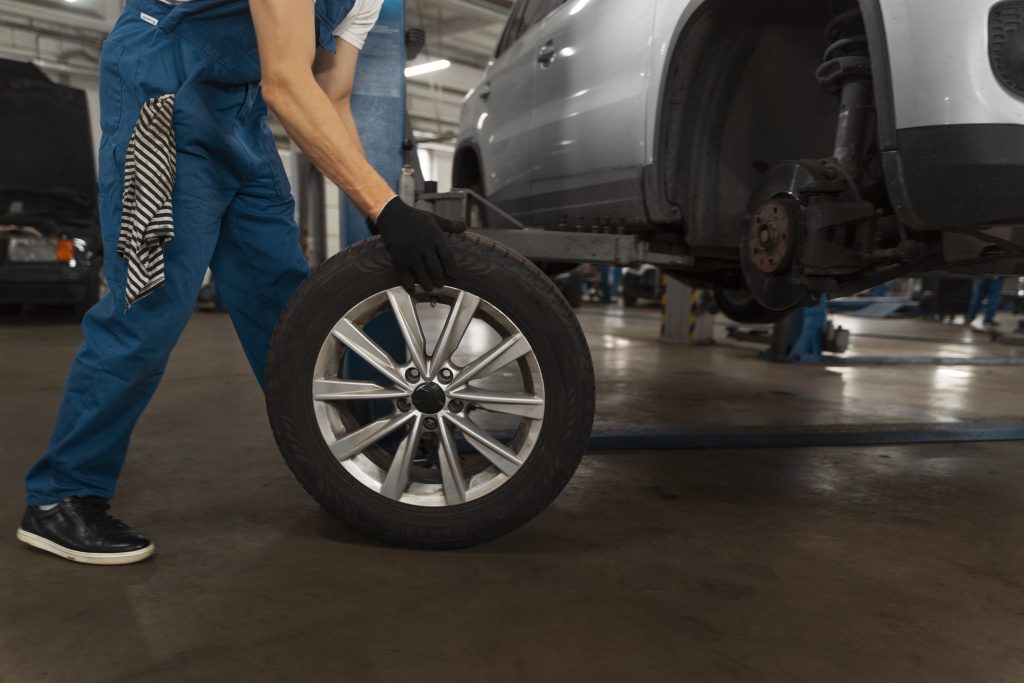
Every responsible vehicle owner knows regular maintenance is crucial for safety, performance, and cost-effectiveness. However, two critical services often confuse motorists: wheel alignment and tyre balancing. While both are essential for your vehicle’s optimal operation, they address distinctly different issues and require different solutions. Understanding the fundamental differences between these services and why you need them both can save you money, extend your tyre life, and ensure your vehicle operates safely and efficiently.
This comprehensive guide will clarify these essential maintenance services, helping you make informed decisions about your vehicle’s care whilst ensuring optimal performance and safety.
What is Wheel Alignment? Why Does Your Vehicle Need It?
Wheel alignment refers to the precise adjustment of your vehicle’s suspension system. It is the components that connect your wheels to your car. Contrary to common belief, alignment doesn’t involve adjusting the wheels or tyres themselves, but rather the angles at which they contact the road surface.
The Science Behind Proper Alignment
- Camber Angle: The inward or outward tilt of the wheel when viewed from the front of the vehicle, affecting how evenly the tyre contacts the road surface
- Toe Alignment: Whether the wheels point inward (toe-in) or outward (toe-out) when viewed from above, crucial for straight-line stability and even tyre wear
- Caster Angle: The forward or backward tilt of the steering axis, which affects steering stability and the vehicle’s ability to return to centre after cornering
- Thrust Angle: Ensures the rear wheels are properly aligned with the front wheels, preventing the vehicle from ‘crab walking’ or pulling to one side
Signs Your Vehicle Needs Wheel Alignment
- Uneven Tyre Wear: Excessive wear on one edge of the tyre indicates alignment issues that require immediate attention
- Vehicle Pulling: Your car consistently drifts or pulls to one side when driving on a straight, level road
- Steering Wheel Off-Centre: The steering wheel sits crooked when driving straight, even though the vehicle tracks normally
- Vibration Through Steering: Unusual vibrations felt through the steering wheel during normal driving conditions
- Handling Issues: Reduced stability during cornering or difficulty maintaining straight-line driving
Understanding Tyre Balancing and Its Critical Importance
Tyre balancing involves equalising the weight distribution around the entire wheel and tyre assembly. Even new tyres and wheels have slight weight variations that, when combined, create noticeable imbalances at highway speeds.
The Balancing Process Explained
- Weight Distribution Assessment: Specialised equipment identifies heavy and light spots around the wheel assembly
- Counterweight Installation: Small lead or zinc weights are strategically placed to offset imbalances and create smooth rotation
- Dynamic vs Static Balancing: Modern equipment performs both side-to-side (static) and up-and-down (dynamic) balancing for optimal results
- Computer Precision: Advanced balancing machines calculate exact weight placement to eliminate vibrations across all driving speeds
- Quality Verification: Final testing ensures the wheel assembly rotates smoothly without wobbling or vibration
Symptoms Indicating Tyre Balancing Issues
- High-Speed Vibration: Noticeable vibration through the steering wheel, seat, or floorboard, particularly at highway speeds
- Uneven Tread Wear: Cupping or scalloping patterns on the tyre tread surface indicate balancing problems
- Excessive Noise: Unusual road noise or humming sounds that increase with vehicle speed
- Premature Tyre Wear: Faster than normal tyre wear due to improper road contact and increased friction
- Steering Wheel Shake: Vibration felt primarily through the steering wheel during highway driving
Key Differences: Alignment vs Balancing Explained
Understanding the fundamental differences between these services helps you identify which problem your vehicle may be experiencing and ensures you receive the appropriate service for your specific needs.
Alignment vs Balancing: Problem Areas and Solutions
- Speed Sensitivity: Balancing issues typically manifest at highway speeds (80+ km/h), whilst alignment problems are noticeable at all speeds
- Vibration Location: Balancing problems cause vibration through the steering wheel and seats, whereas alignment issues cause pulling or drifting
- Wear Patterns: Alignment creates wear on tyre edges, whilst imbalance causes cupping or irregular wear patterns across the tread
- Frequency Requirements: Balancing is needed whenever tyres are mounted or rotated, whilst alignment is required less frequently unless specific issues arise
- Cost Implications: Balancing is generally less expensive and quicker, whilst alignment requires more complex adjustments and equipment
Service Intervals and Maintenance Scheduling
- Balancing Frequency: Every 10,000-15,000 kilometres or when new tyres are installed, rotated, or when vibration occurs
- Alignment Timing: Every 25,000-50,000 kilometres, after suspension work, or when alignment symptoms appear
- Combined Service Benefits: Performing both services together can often reduce labour costs and ensure optimal vehicle performance
- Seasonal Considerations: Alignment checks are particularly important before long road trips or seasonal driving changes
- Impact Prevention: Regular maintenance prevents more expensive repairs to suspension components, steering systems, and premature tyre replacement
The Financial and Safety Benefits of Proper Maintenance
Investing in regular tyre alignment and balancing services provides significant returns through improved safety, enhanced performance, and reduced operating costs over your vehicle’s lifetime.
Economic Advantages of Regular Service
- Extended Tyre Life: Proper alignment and balancing can double or triple tyre lifespan by ensuring even wear patterns
- Improved Fuel Economy: Correctly aligned wheels reduce rolling resistance, improving fuel efficiency
- Reduced Repair Costs: Prevention of premature wear to suspension components, steering systems, and drivetrain parts
- Enhanced Resale Value: Well-maintained vehicles with even tyre wear command higher resale prices
- Lower Insurance Risks: Proper maintenance reduces accident risks that could impact insurance premiums
Safety and Performance Benefits
- Predictable Handling: Properly aligned and balanced wheels provide consistent, predictable vehicle behaviour in all driving conditions
- Shortened Stopping Distances: Even tyre contact patches maximise braking effectiveness and reduce stopping distances
- Improved Stability: Balanced wheels and proper alignment enhance stability during emergency manoeuvres and adverse weather conditions
- Reduced Driver Fatigue: Smooth operation reduces the physical effort required to control the vehicle during long drives
- Weather Performance: Proper alignment and balancing improve traction and control in wet weather and challenging road conditions
Why Do You Need Both Services?
Many motorists make the mistake of addressing only one service when both are necessary for optimal vehicle performance.
The Synergy Between Alignment and Balancing
- Comprehensive Solution: Alignment ensures wheels point in the correct direction, whilst balancing ensures they rotate smoothly
- Prevention Strategy: Regular maintenance of both systems prevents cascading problems that could require expensive repairs
- Performance Optimisation: Combined services maximise tyre life, fuel economy, and vehicle handling characteristics
Professional Service Recommendations
- Diagnostic Approach: Comprehensive vehicle inspection to identify specific alignment and balancing needs
- Equipment Quality: Modern, calibrated equipment ensures precise adjustments and accurate balancing
- Technician Expertise: Trained professionals who understand vehicle-specific requirements and manufacturer specifications
Ensure Your Vehicle’s Peak Performance with Professional Care
Don’t let alignment and balancing issues compromise your safety, comfort, or budget. Understanding the differences between these essential services empowers you to make informed maintenance decisions that protect your investment and ensure optimal vehicle performance.
For Port Stephens area residents seeking reliable, professional wheel alignment and tyre balancing services, Medowie Tyre & Auto Centre stands as your trusted one-stop automotive solution.
Drive Smoothly with Expert Services from Medowie Tyre & Auto Centre
Located on Medowie Road at the BP service station, just a short drive north of Williamtown RAAF base, Medowie Tyre & Auto Centre combines the convenience of a petrol station and convenience store with comprehensive tyre shop and mechanical workshop services. With a highly trained team of mechanics, auto electricians, and tyre fitters committed to excellent workmanship, we provide complete automotive care, including wheel balancing and alignments, mechanical repairs, logbook servicing, and much more. Contact us for your automotive needs and enjoy your ride smoothly.